
Senior content strategist Martin Bewick gives five reasons why you need to think of your magazine as a content ecosystem.
It might sound like a riddle, but it’s a question currently at the forefront of content marketing: when is a magazine not a magazine?
Once upon a time, a magazine was a simple concept: it was a periodical made of ink and paper. Today, for consumer and B2B brands alike, the definition is far more fluid.
Magazines are no longer the sole communication channel between publisher and audience.
Digital magazines are thriving (overall circulation in the UK is up an average of 12% in 2024 and 2025, according to Press Gazette), but distribution models continue to evolve, as do formats.
CPL One, for example, now creates flat and interactive page-turner replicas of print magazines, plus enhanced digital ‘re-flows’ and bespoke web-based magazines created using tech such as Shorthand.
Then there’s the podcasts, video and social-media platforms where audiences hang out in-between print issues. They need to be serviced too.
So, no, when you’re planning a contemporary magazine for B2B clients, you aren’t just ‘making a mag’, you’re really building a whole network of interrelated content – a content ecosystem.
Here are five pillars to ensure your magazine content hits the mark in a multichannel world.
1. Planning: move beyond the ‘issue’
In a traditional mindset, content planning revolves around finding the right features for the ‘next issue’. In a contemporary magazine mindset, you should really be planning for your business’s overall narrative. Before you commission any article, you should be overlaying your organisational and audience needs, and matching hot topics with the channels where they’ll work the hardest. Don’t assume that video, or podcasts, or social media are there only to support your print or digital issue. They may be the key to telling the story and powering the narrative. What happens if you prioritise them?
2. Formats: let’s have some digital equality
A printed magazine remains a high-value asset – and that’s not necessarily just for (ahem) late-career audiences. Over the past year, I’ve heard directly from students and lecturers in media about how younger audiences still hold print in high regard. The only problem is, it’s not their daily go-to format. It means your digital magazine cannot be an afterthought. Yes, some people still enjoy classic pdf magazine formats and content that can be easily downloaded and printed out, but most membership surveys we see at CPL One show that – increasingly – audiences read much of their content via mobile devices. A standard PDF flipbook magazine is often a UX nightmare on a smartphone. A static PDF is beginning to look like a relic. Let’s offer more.
3. Channels: fish where the fishes are
‘Build it and they will come’. Is that really how it works these days? The old maxim in marketing is ‘fish where the fishes are’ – and that seems much more apt. According to the most recent social media report from global insights specialist GWI, people spend nearly two hours a day looking at social media. A multichannel strategy that works, therefore, means your magazine content should be ‘sliced and diced’ for different platforms. That big interview? Could you extract key quotes or ‘TL;DR’ summaries from it and turn them into carousels for LinkedIn. And have you got the images formatted correctly for social posts? Have you made that content easy and enticing for audiences to comment on and share? Also, could you select the top three insights from an article to use in the body of your email newsletter?
4. Timings: balance frequency with relevance
The quarterly or bi-monthly publishing cycle may still be relevant for print, but it shouldn’t drive digital. The question is, how and when do you fill those gaps between your print publications dropping? The key advice here is that relevance beats regularity – if you haven’t got five interesting things to publish each week, don’t aim to publish daily. You could opt to tie content in to industry trends in a more agile way, or wrap stories up as a monthly digest. And remember, good B2B content has a long tail. A well-researched insights piece in your magazine may be relevant for a year or more, so plan your re-sharing schedule accordingly.
5. Sustainability: think about clever resourcing
Sustainability is much more than a ‘nice to have’. For many of our clients it’s part of their mandate. For your print magazine, that can mean choosing FSC-certified paper, vegetable-based inks or naked mailing. It can mean an opt-in to print for members, rather than opt-out. As we’re all increasingly aware, digital has a carbon cost too, but could you make reducing your carbon footprint part of your brand story by optimising your site or imagery? Repurposing content – and planning for that – can also help. One filmed interview, for example, can be turned into a podcast, print feature, blogs and social posts, ensuring you’re never wasting resources.
The bottom line here is that your magazine is so much more than ink and paper, or even that PDF version for those who want to save on paper. Let’s plan for it accordingly – and if you’re not sure how, contact us for a chat.
Share this article
Related Articles
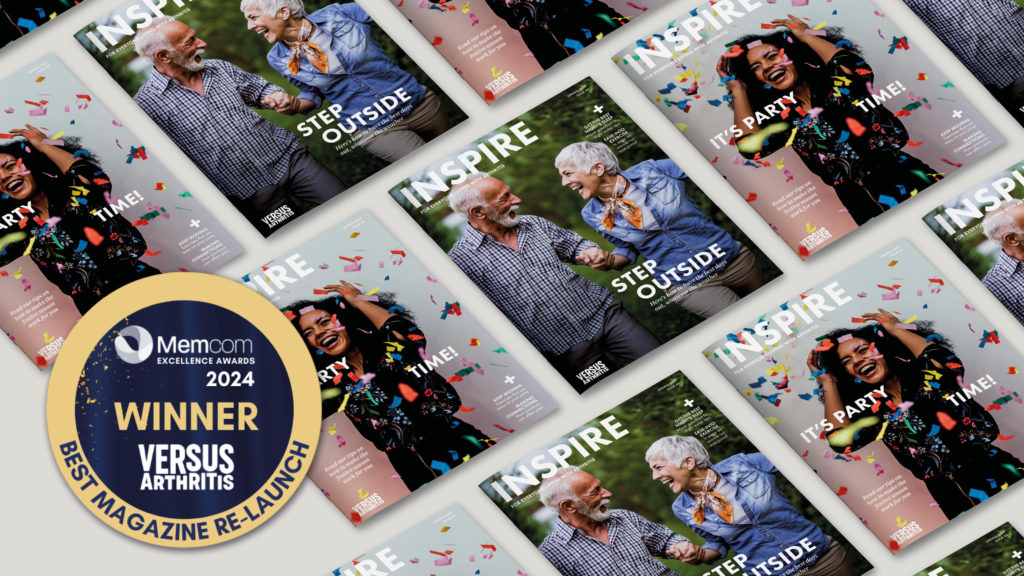
And the awards go to… CPL One