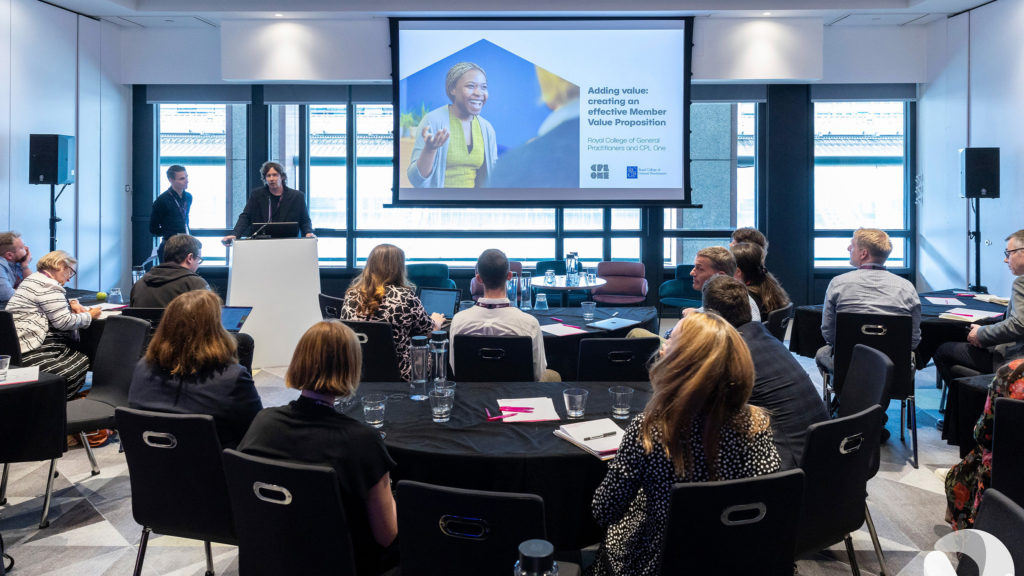
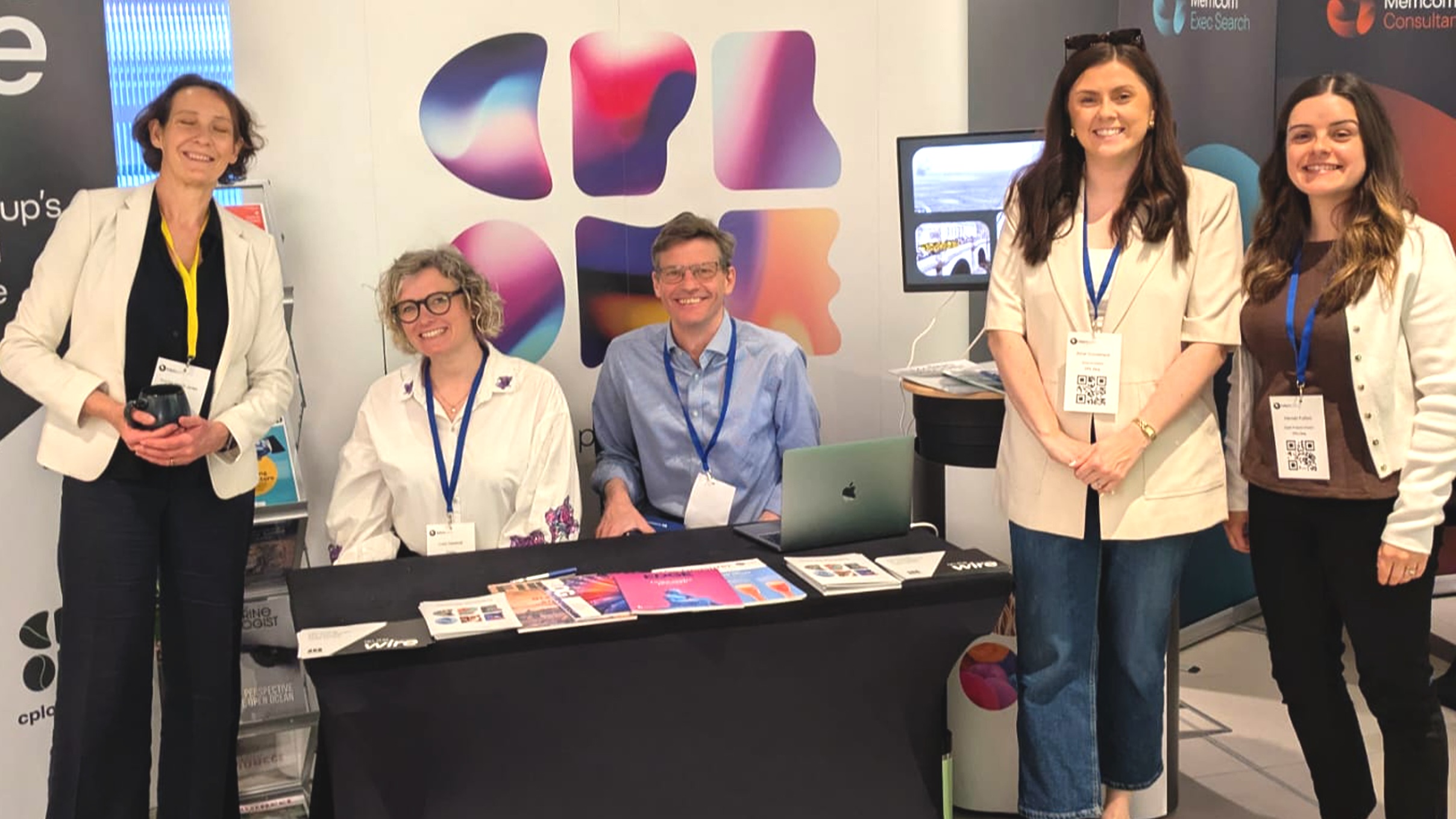
Account director Anna Cruickshank reports back from the Memcom Annual Conference on three ways to increase member value.
The Memcom Annual Conference is always an opportunity to discover and share best practice on membership strategy and communications. This year was no different.
Here are three vital themes discussed on the day, with key takeouts from the sessions.
1. From transactions to transformation: designing member journeys that matter
Many professional membership organisations, for obvious reasons, justify their fee by listing the services and products they offer – training opportunities or events, for example. Why not shift the focus from the monetary cost to the value of feeling part of something larger?
Key takeouts:
- Humanise the touchpoints: If the first thing a member is asked for when they call is their membership number, they immediately feel like a data point. Look for ways to lead with identity and value rather than administration.
- The mystery shop: When was the last time you ‘joined’ your own organisation? Testing your own user journey through mystery shopping reveals the friction points that data alone cannot show.
- The CRM struggle: It is a universal truth that no CRM does everything. So instead of waiting for the perfect system, focus on how your current tools can help you interpret data better.
2. Community building in the digital age: offline and online
Digital engagement shouldn’t feel like a one-way broadcast. Ensure your multichannel content is inclusive, starts conversations and that can respond to comments and reactions.
Key takeouts:
- The emotional metric: Ask yourself, ‘How does this piece of content make the reader feel?’ For example, simple additions like ‘heart’ or ‘smiley face’ reactions (or similar) can provide immediate social proof and a sense of participation.
- Smart personalisation with AI: AI can be used for more than automation – it can also be a tool to measure empathy. Could you use it, for example, to analyse or review social comments and email patterns to tell you what is keeping your members awake at night?
- The power of physicality: In a world of overflowing inboxes, direct mail still stands out. Tactile, physical mailings can create a sense of importance and ‘premium’ belonging that an email simply cannot replicate.
- The ‘you may also like…’ strategy: Try borrowing from e-commerce. Use AI-driven suggestions and segmentation (perhaps based on sign-up pages and previous clicks) to ensure members see other content that is relevant to them.
3. Growing younger: rethinking the value proposition
To sustain a membership body, you must design for the future without alienating the present. Remember that the ‘younger professional’ isn’t a monolith – it is a generation of individuals seeking representation and relevance.
Key takeouts:
- Representation matters: Younger generations shouldn’t just be ‘marketed to’ – they should also be in the room when decisions are made. Ensure their voices are heard and help to shape how your organisation represents the profession.
- The hunger for education: Despite the shift in digital habits, the appetite for high-quality education and professional status remains strong among younger members. They want to ‘belong’, but they also want that belonging to facilitate their growth.
- Ask, don’t guess: The simplest way to bridge the generational gap is direct dialogue. Regular consultations with younger cohorts ensure your value proposition remains agile.
These themes chime with us here at CPL One – they’re part of the ongoing conversations we have with clients and are foundational to the work we produce together.
If you’d like to know more about adding value to membership and leveraging the power of your membership communications, please get in touch.
Share this article
Related Articles

Building on our commitment to digital advertising